
Children of Blood and Bone Book Review: Why It Became a Global Bestseller
Children of Blood and Bone by Tomi Adeyemi debuted at #1 on the New York Times list and spent 150+ weeks on the chart. Our full review explains why this YA fantasy phenomenon changed the genre.
 olamilekan
5 min read
26 views
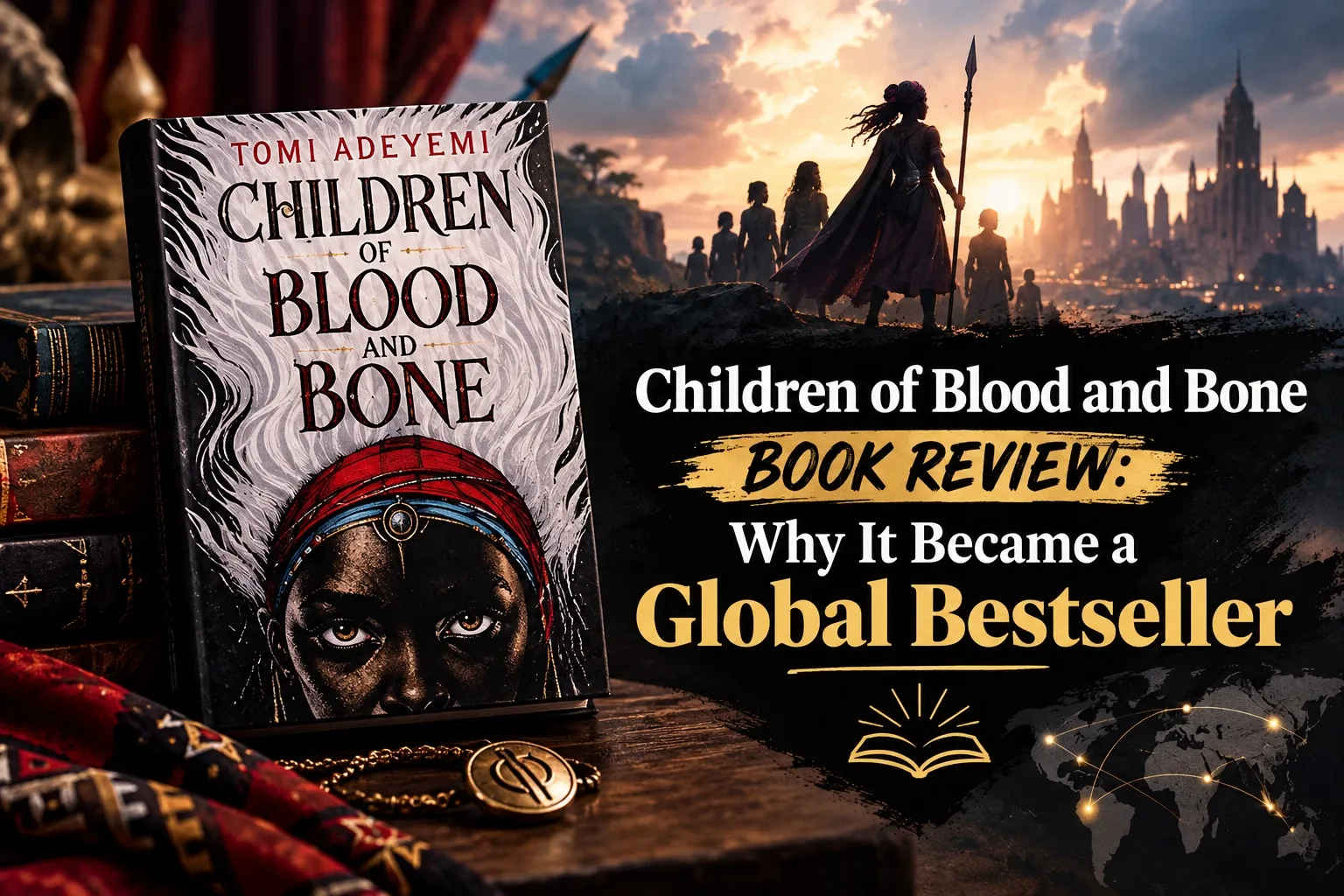
Published on March 6, 2018, by Henry Holt Books for Young Readers, Tomi Adeyemi's debut entered the New York Times bestseller list at number one and proceeded to stay — spending more than 150 weeks on the chart over its first years in print.
For a debut novel in the young adult fantasy genre, this was extraordinary. For a debut by a young Nigerian-American woman drawing on Yoruba mythology and West African spirituality, it was historic.
The book did not merely sell well. It changed what publishers believed was possible.
What the Novel Is About
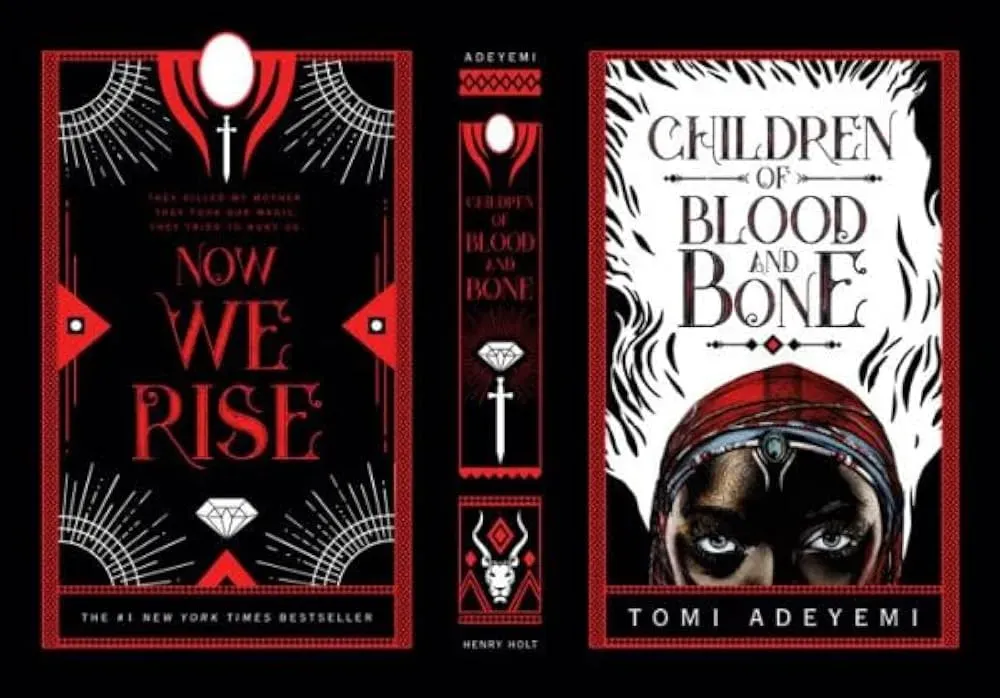
The story is set in Orisha, a fictional West African kingdom where magic has been violently erased.
A decade before the novel opens, King Saran orchestrated a massacre of the maji — a class of magic users marked by their white hair.
The survivors, now called diviner’s, live as second-class citizens, taxed into poverty and crushed beneath the royal boot.
Zélie Adebola is one of them. Dark-skinned, white-haired, furious, and grieving the mother she lost in the massacre, Zélie becomes the unlikely carrier of the only scroll capable of restoring magic to her people.
She teams up with her older brother Tzain and Princess Amari — the king's own daughter, who has defected after witnessing her father's brutality — to reach a sacred site before the solstice.
Pursuing them is Prince Inan, Amari's brother, who has been sent to retrieve the scroll and who carries his own conflicted relationship with magic, his father, and eventually Zélie herself.
The plot is fast, the stakes are high, and the mythology is rich. Adeyemi names her divine pantheon after actual Yoruba Orishas — Oya, Yemoja, Shango, Ogun — drawing readers into a cosmology that is spiritually coherent rather than decorative.
For readers unfamiliar with Yoruba tradition, it functions as both story and education. For readers who grew up in that tradition, it functions as recognition.
What Makes It Exceptional
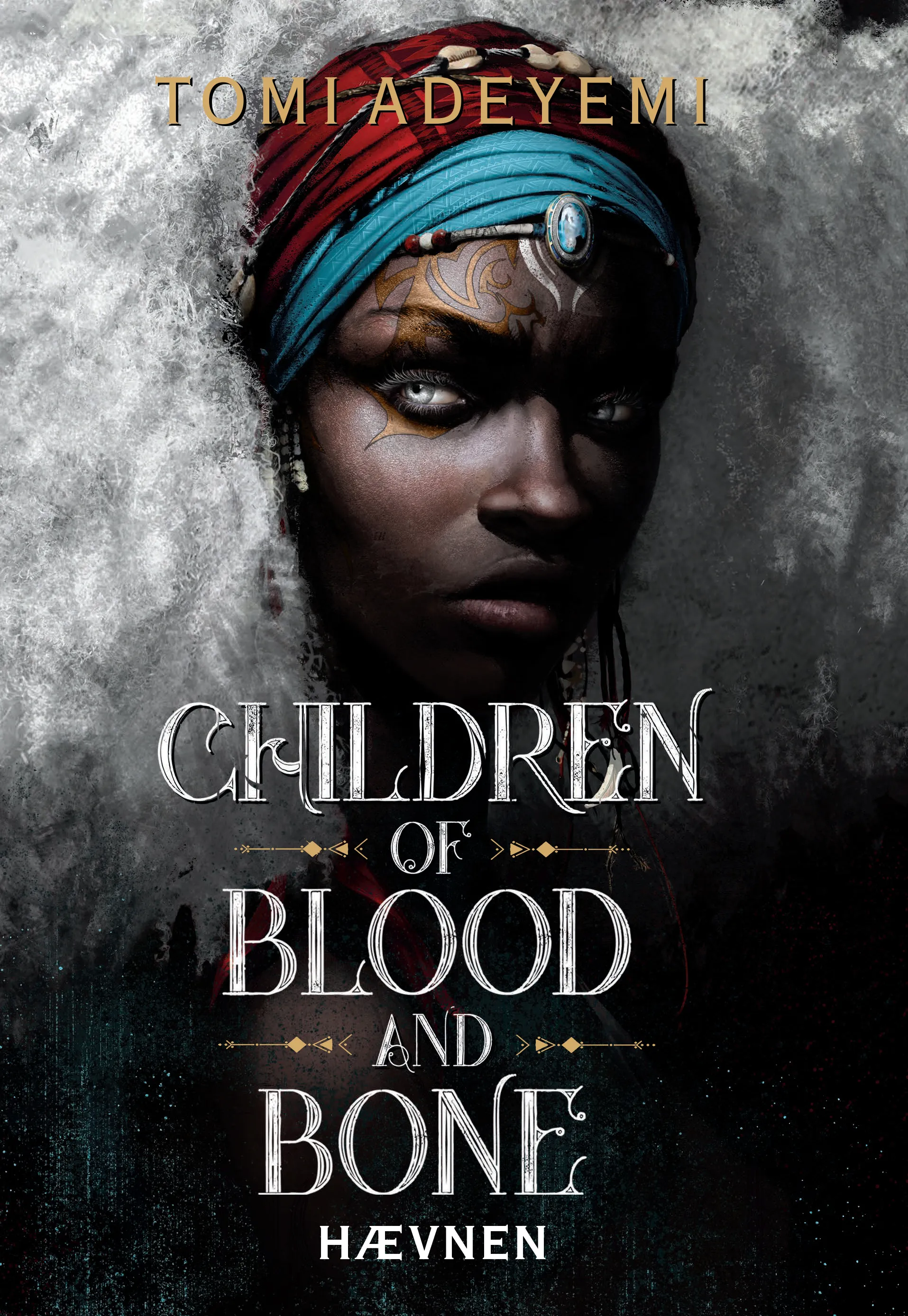
Adeyemi reportedly wrote forty-five drafts of this novel over eighteen months. That discipline is visible on every page.
The prose is controlled without being austere. The pacing, particularly in the novel's opening and closing hundred pages, is propulsive.
The central friendship between Zélie and Amari carries genuine emotional weight — two young women from opposite sides of a class war learning to trust each other under impossible pressure.
The political subtext is not subtext at all. Adeyemi has spoken openly about the Black Lives Matter movement as a motivating force behind the novel.
The scenes of state violence against divîners — their erasure, their taxation, the way power structures justify their oppression through propaganda — are written with a clarity that makes them land as allegory but also as something more direct.
The Times noted the novel "holds up a warning mirror to our sharply divided society."
NPR called it "a fast-paced, excellently crafted hero's journey populated with compelling and nuanced Black characters." USA Today gave it four out of four stars.
Where It Stumbles
No book is without its limitations, and a balanced review demands honesty. Several critics noted that the novel's middle section loses some of the momentum that defines its opening.
The A.V. Club took the most critical position, feeling the book failed to live up to its advance hype.
Some readers found the handling of the romantic plotline between Inan and Zélie — the hate-to-love dynamic — occasionally rushed, given how much narrative the relationship needs to carry.
These are fair observations. But they do not diminish what the novel achieves. Pacing inconsistencies are common in debut fantasy novels of this scope. What matters more is what the story is trying to do and how often it succeeds.
Awards and Recognition
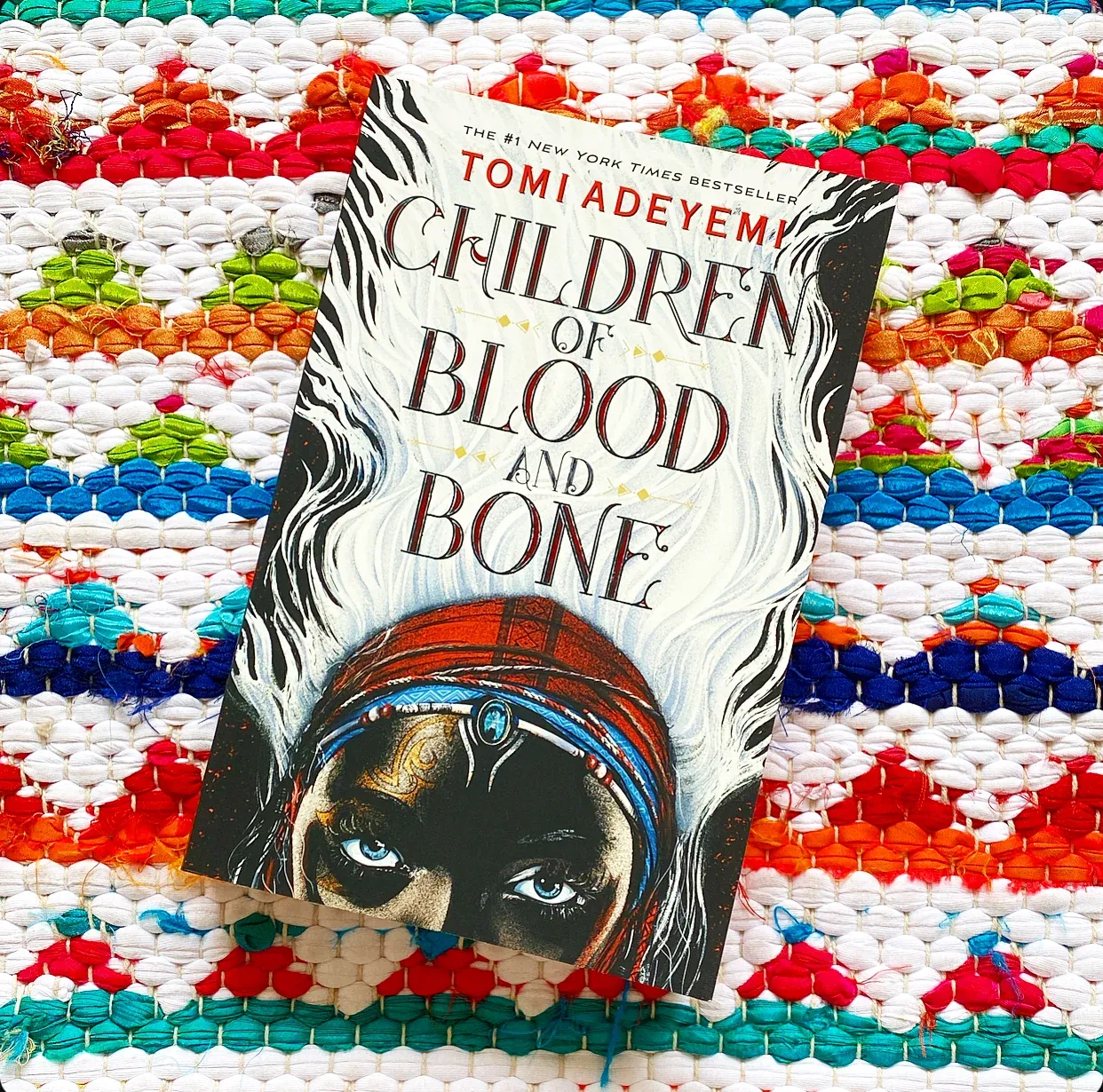
Children of Blood and Bone received five starred reviews from major publications, which is rare in children's and YA literature.
It won the 2018 Andre Norton Award for Young Adult Science Fiction and Fantasy, the 2019 Waterstones Book Prize, and the 2019 Hugo Lodestar Award.
TIME magazine included it in its list of the Top 100 Fantasy Books of All Time. The New York Times named it a Notable Children's Book for the year.
NBC's Tonight Show selected it as the inaugural summer read for its first-ever "Tonight Show Summer Read" feature — an honour that brought the novel to an enormous mainstream audience.
Why It Mattered Beyond the Charts
The commercial performance of Children of Blood and Bone did something quietly important: it gave publishers statistical evidence that African mythology-based YA fantasy could reach a global readership.
In the years following its publication, a wave of African and diaspora writers found it easier to get their manuscripts taken seriously. That is not solely Adeyemi's doing, but she was at the front of it.
For West African readers and those of the diaspora, the experience of reading about Oya and Yemoja as characters in a thrilling narrative — rather than as museum pieces or academic footnotes — was, for many, genuinely new. That matters more than any sales figure.
If you have not read it, you should. Not because of the hype, but because the book earns it.
— FAQ —
How long is Children of Blood and Bone?
The novel is approximately 525 pages in its first edition hardcover printing.
Is Children of Blood and Bone part of a series?
Yes. It is the first book in the Legacy of Orïsha trilogy. The sequels are Children of Virtue and Vengeance (2019) and Children of Anguish and Anarchy (2024).
What age group is Children of Blood and Bone for?
It is classified as young adult fiction, typically recommended for readers aged 13 and above. The novel contains themes of violence, loss, and political oppression that are handled with maturity.
Is it based on African mythology?
Yes. The world of Orïsha is deeply rooted in Yoruba mythology, including references to specific Orishas — divine spirits central to Yoruba spiritual tradition. Adeyemi studied West African mythology in Salvador, Brazil before writing the novel.


No comments yet. Be the first to comment.