
African Fantasy Books Every Reader Should Know
The essential African fantasy reading list — from classic oral traditions to contemporary novels by Nnedi Okofor, Tomi Adeyemi, Dilman Dila, and more. Curated by Epilda.
 olamilekan
3 min read
20 views
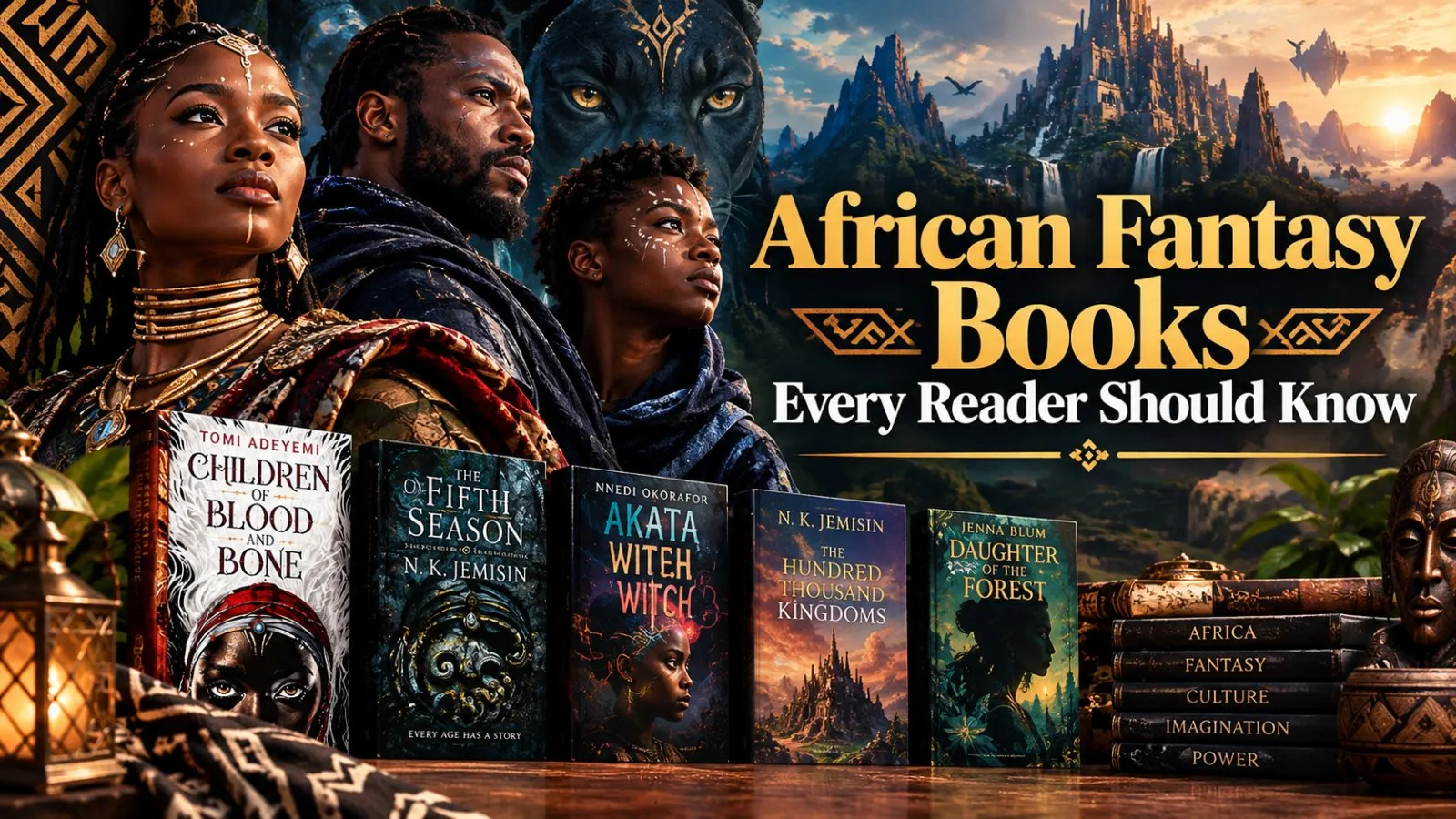
The oral traditions of West, East, and Central Africa — the griots of the Sahel, the Ijele masquerade stories of the Igbo, the cosmological narratives of the Yoruba, the Anansi stories of the Akan — are among the oldest continuous fantasy traditions on the planet.
What changed in 2018 was which publishers decided this was commercially viable in English-language markets.
Here is the reading list that bridges the oral tradition to the contemporary novel shelf.
The Foundational Texts
Chinua Achebe's Things Fall Apart (1958) is not fantasy in the genre sense, but it is the literary ancestor of every contemporary African fantasy novel written in English.
Achebe's insistence on writing the Igbo cosmological worldview — the chi, the Ani, the ancestors, the Orishas — as the primary lens rather than a curiosity for Western readers set the template. Without it, none of the contemporary novels on this list exist in the same form.
Amos Tutuola's The Palm-Wine Drinkard (1952) is perhaps the first Yoruba fantasy novel published for an international audience — a picaresque journey through the Yoruba spirit world, written in what Tutuola called "young English," that sits somewhere between myth, dream, and novel. Controversial in Nigeria on publication (critics felt it reinforced Western stereotypes about Africa), it has been reassessed as a formally innovative work.
Contemporary Classics
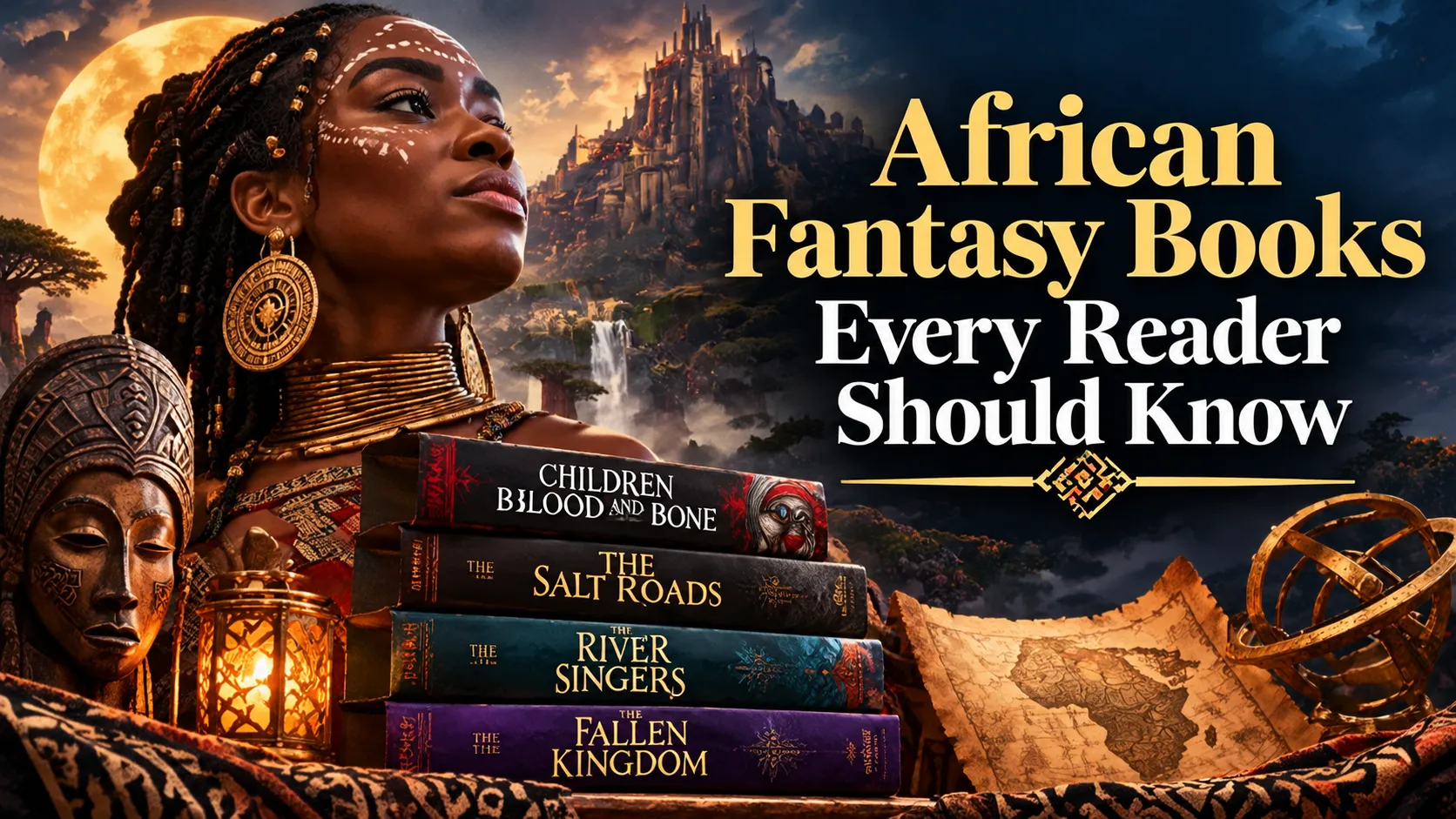
Nnedi Okofor's Who Fears Death (2010) remains the touchstone of contemporary African speculative fiction. Set in a far-future Sudan-inspired landscape, drawing on Igbo spiritual tradition, it is the novel that most clearly demonstrated to Western publishers that African mythological frameworks could sustain serious literary genre fiction for adult readers.
Her Binti series (2015–2018) is shorter and more accessible: three novellas following a young Himba woman from Namibia who becomes the first of her people to attend the Oomza University, navigating alien cultures, colonial violence, and transformation. The novellas swept the Hugo and Nebula Awards.
The New Wave (2018–Present)
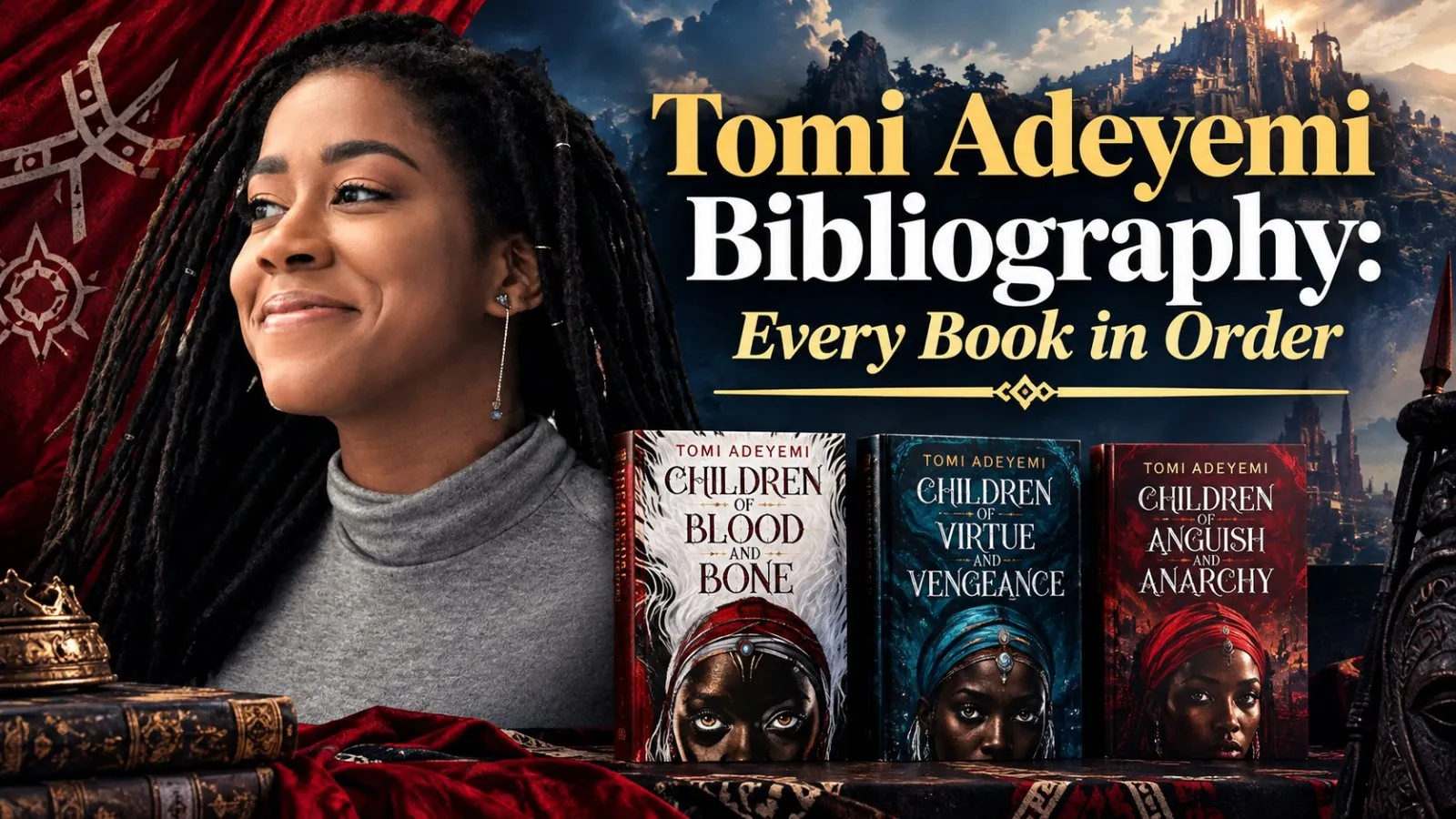
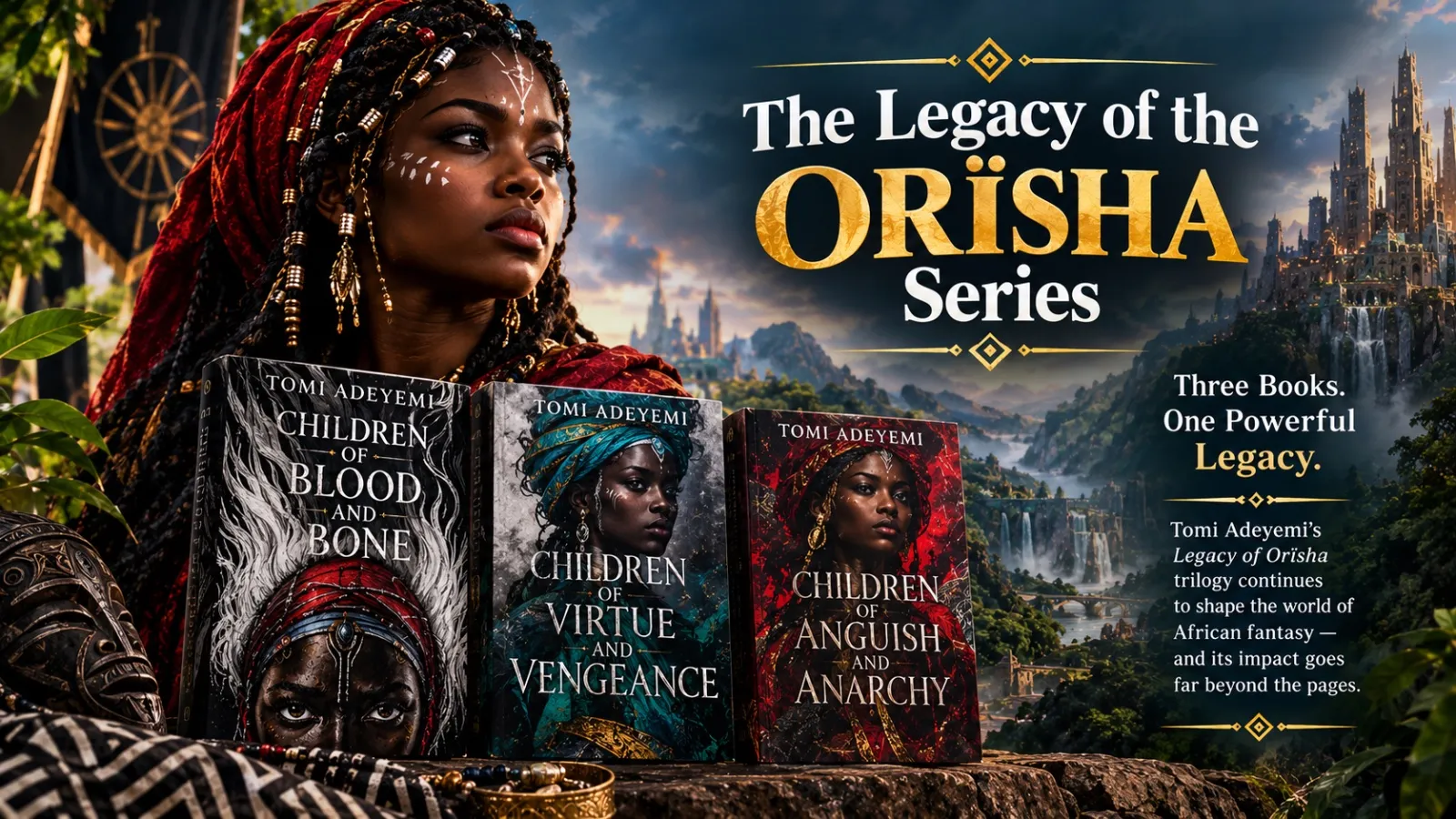
Tomi Adeyemi's Children of Blood and Bone (2018) is the most commercially successful entry in this wave and the one that most directly shifted the English-language YA fantasy market's understanding of what was possible.
Namina Forna's The Gilded Ones (2021) draws on West African-inspired world-building to tell a story about a girl who discovers she is a supernatural warrior in a society that kills women who are found to bleed gold. Its thematic concerns — about religious oppression, female power, and what women are told they are — resonate with Adeyemi's concerns about race and power.
Roseanne A. Brown's A Song of Wraiths and Ruin (2020) draws explicitly on Ghanaian mythology. Dilman Dila's A Killing in the Sun (2014) — a short story collection from a Ugandan author — demonstrates the breadth and range of East and Central African speculative fiction traditions that West Africa-focused publishing often obscures.
What to Look For Next
The most exciting development in the post-2018 wave is the gradual emergence of African-published and African-audience-focused speculative fiction that is not optimised for Western export. The Caine Prize for African Writing has increasingly recognised speculative work. Publishers like Cassava Republic Press in Abuja and Nairobi are building lists specifically for African readers.
The tradition was never absent. The market just needed to catch up.
No comments yet. Be the first to comment.