Is Children of Blood and Bone Based on African Mythology?
Children of Blood and Bone is directly rooted in Yoruba mythology and Orisha spirituality. Tomi Adeyemi researched West African religion in Brazil before writing the novel. Here's the full connection.
 olamilekan
2 min read
9 views
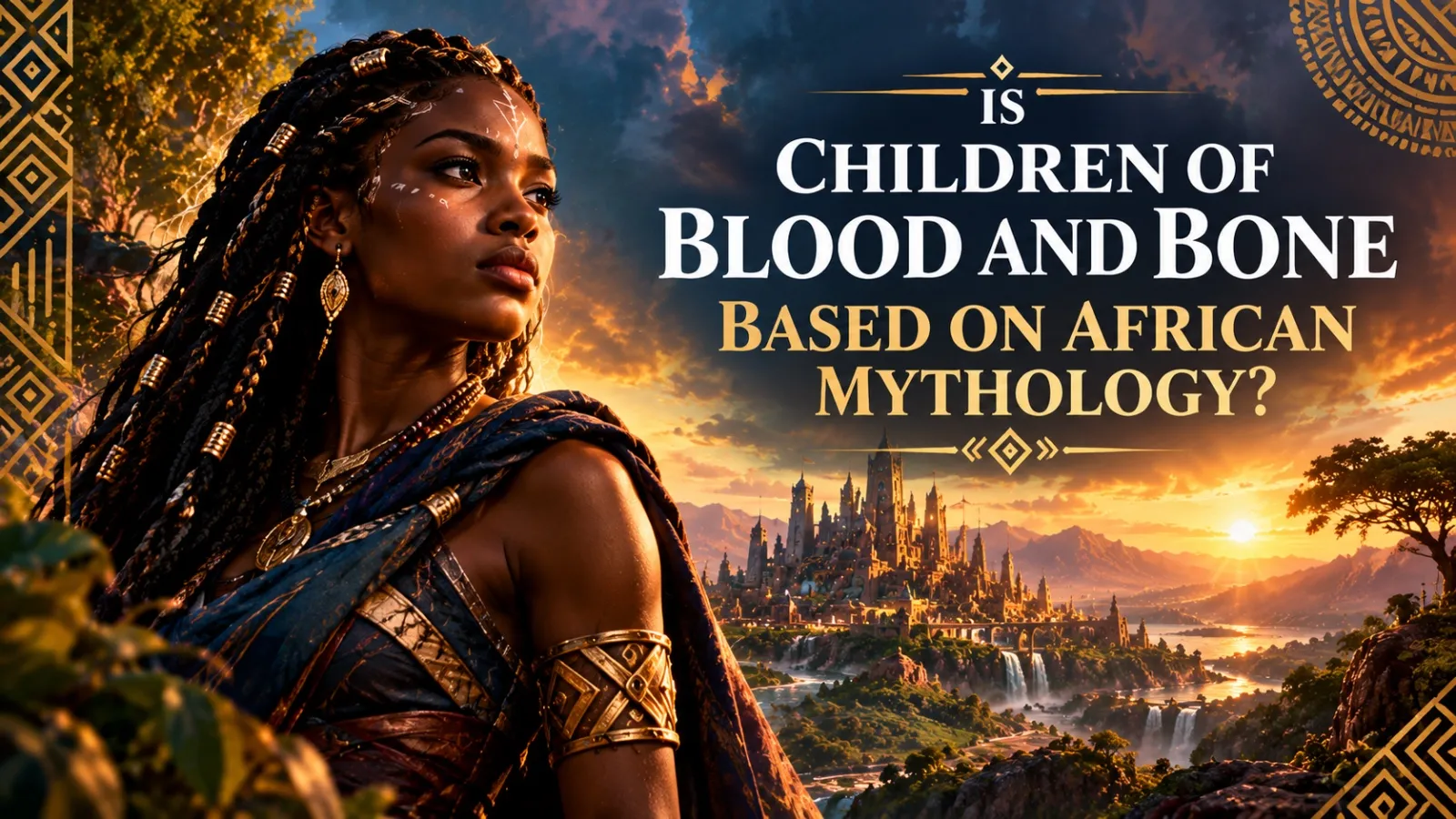
Tomi Adeyemi did not draw on a vague, generic "African mythology" for her world-building.
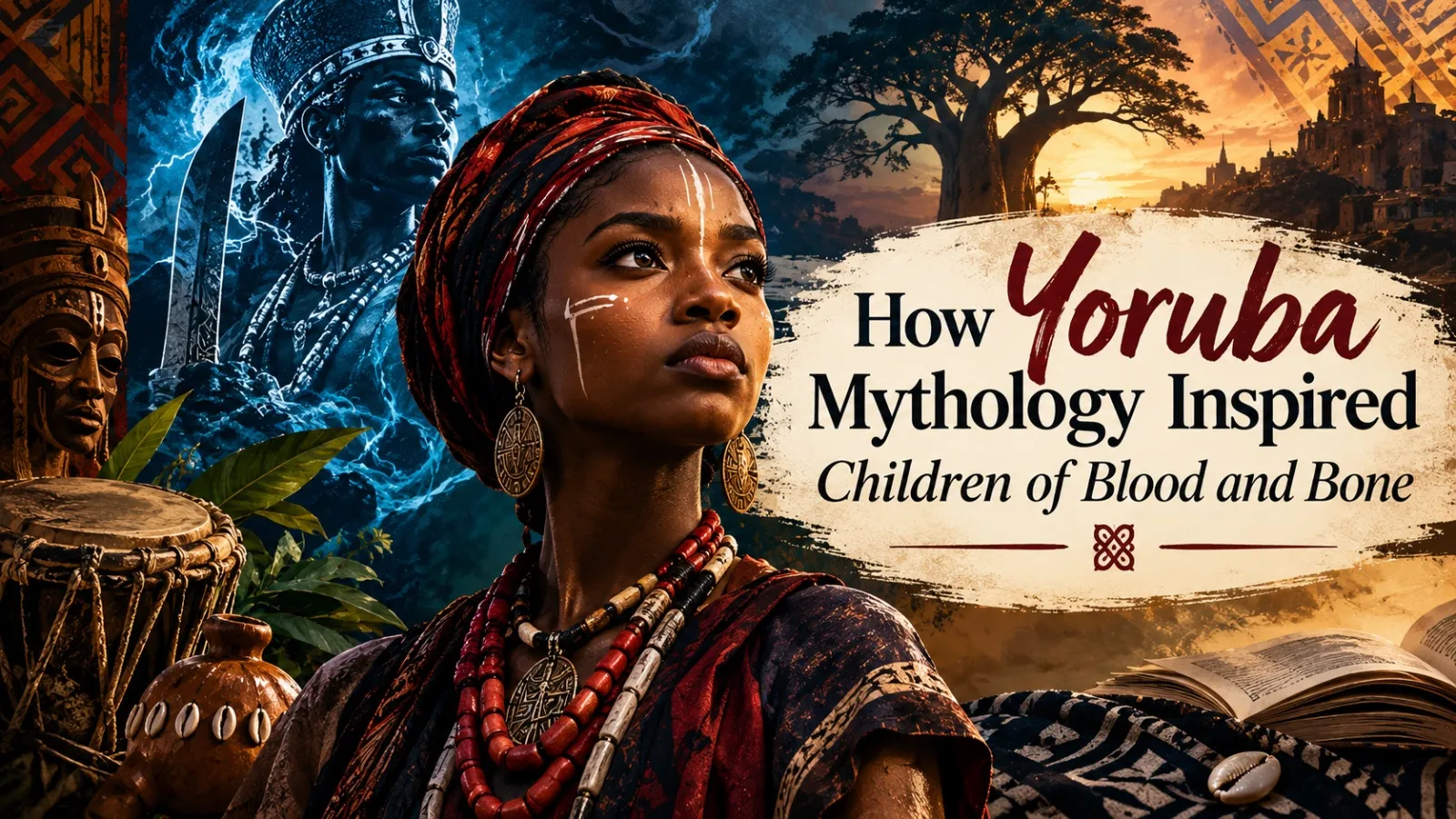
She drew specifically from the Yoruba religion — one of the oldest and most globally distributed African spiritual traditions in the world, originating among the Yoruba people of what is now southwestern Nigeria and Benin.
Before writing the novel, Adeyemi spent time in Salvador, Brazil, on a fellowship specifically to study West African mythology.
Salvador, the capital of Bahia state, has one of the largest African diaspora populations in the world — descendants of enslaved Yoruba and other West African people who carried their religion to Brazil, where it became Candomblé.
Watching Yoruba-derived spirituality practised as a living tradition rather than studied as an academic subject gave Adeyemi the grounding to write about it with authority.
The Orishas in the Novel
In Yoruba religion, Orishas are divine intermediaries between humans and Olodumare, the supreme being.
Each Orisha governs specific domains of the natural and spiritual world. Adeyemi borrowed their names and domains directly:
Oya — the Orisha of storms, wind, transformation, and the boundary between life and death. Zélie's clan draws power from Oya.
Yemoja — the Orisha of the ocean, rivers, and fertility, considered the mother of many other Orishas.
Shango — the Orisha of thunder, lightning, and justice.
Ogun — the Orisha of iron, warfare, and labour.
These are not invented by Adeyemi. They are real figures actively worshipped by tens of millions of people worldwide today.
Language, Names, and Dress
Beyond the Orishas, the novel incorporates Yoruba language through character names and terms used in the world.
Characters wear culturally specific clothing: dashiki, iro and buba, gele — specific garments from Nigerian tradition.
Every character has an African name, a choice that signals whose perspective the world is built from.
What This Means for Readers
For readers unfamiliar with Yoruba tradition, Children of Blood and Bone serves as an accessible gateway — the mythology functions beautifully as fantasy while being rooted in a real spiritual framework.
For readers from the Yoruba diaspora or those already familiar with Orisha tradition, the experience of seeing their own cosmology at the centre of a global fantasy bestseller carries a different kind of weight.
The novel was not the first to draw on African mythology, but it was the one that reached the largest audience.
Its success has made Yoruba mythology more visible in Western literary culture than it has perhaps ever been.
No comments yet. Be the first to comment.